
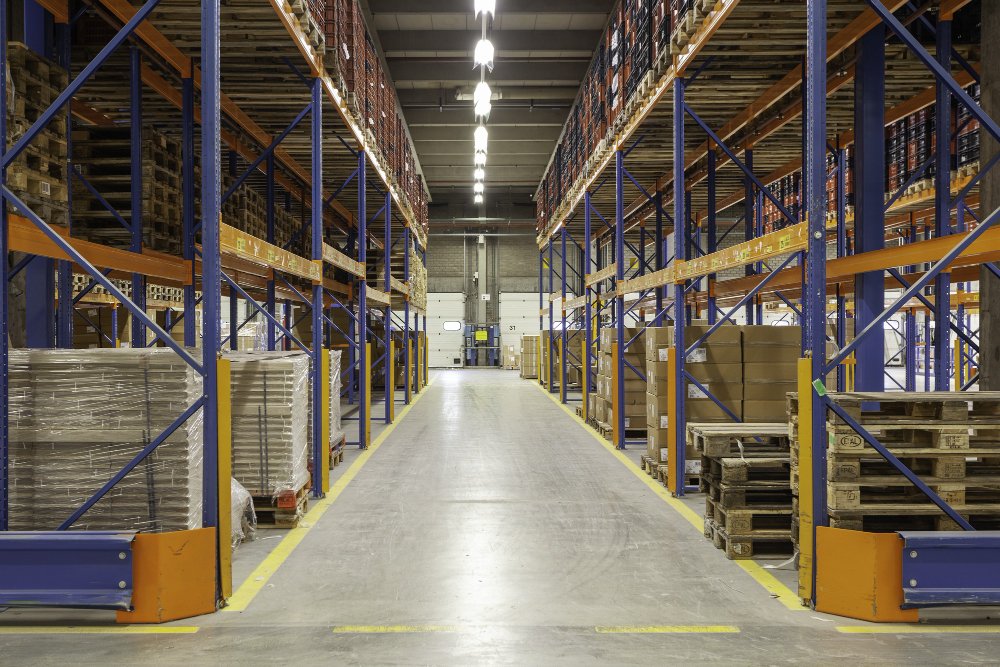
Holds mined coal until it is shipped or processed.
Different grades of coal (based on size, moisture, and carbon content) are separated and blended as per buyer requirements.
Connects the mine to transportation (rail, trucks, barges, ships).
Ensures supply continues even if mining slows or transport is delayed.
Prevents spontaneous combustion, controls dust, and reduces pollution.
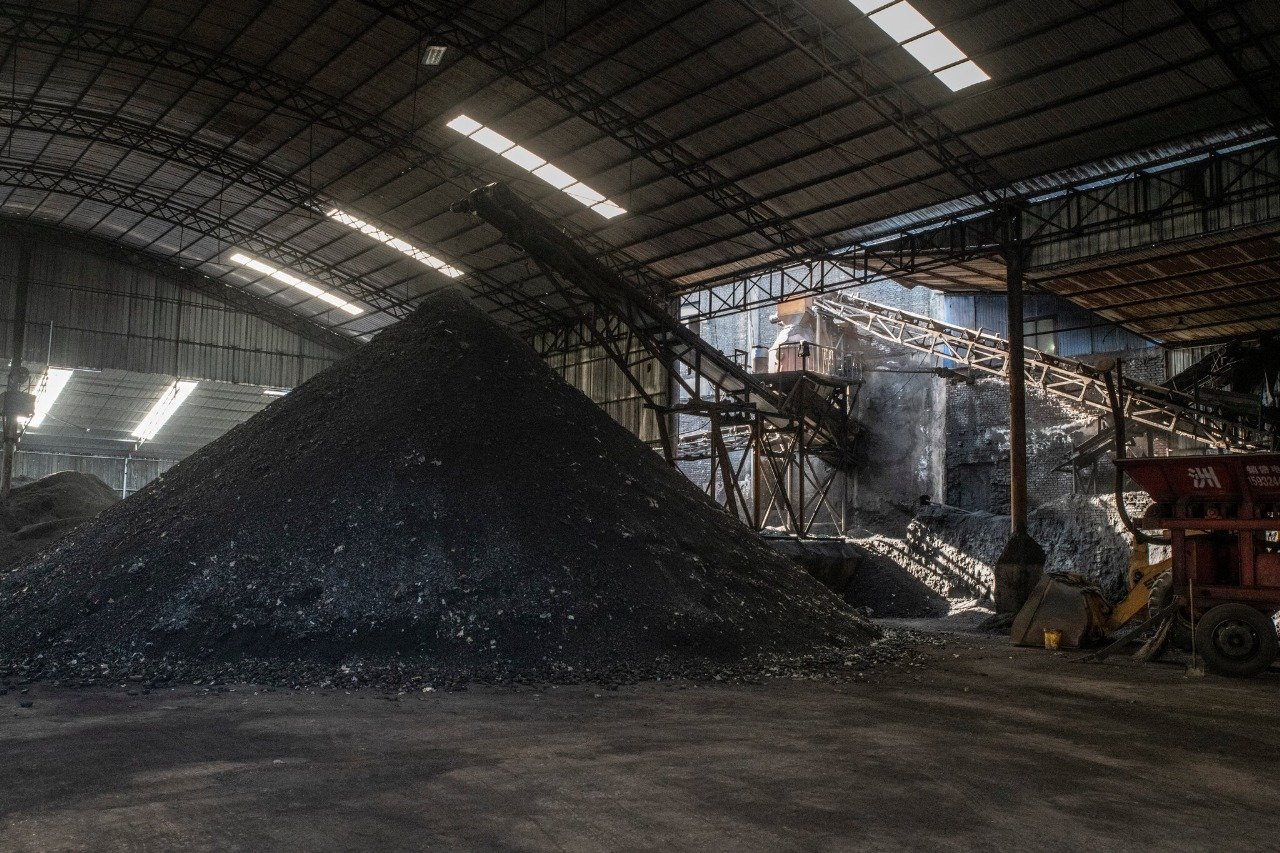
Coal is mined using surface mining (open-pit, strip mining) or underground mining. Raw coal is then transported from the mine to the warehouse/storage area. Transportation to Warehouse Conveyors, trucks, or rail carry the coal from the mine to the storage site.
Coal is dumped in large piles or stored in covered warehouses. Conical piles (coal dumped in a cone shape) Windrow piles (long rows) Blending piles (mixed for quality control) Processing (Optional) Sometimes warehouses also have coal washing plants to remove impurities (rocks, ash, soil). Coal may also be crushed, screened, or graded by size.
Fire prevention systems (coal can self-ignite). Dust suppression (sprinklers, foam, enclosed buildings). Ventilation systems in enclosed warehouses.
From the warehouse, coal is loaded onto: Rail wagons (common in coal-exporting countries like Australia, South Africa, USA) Barges/ships (for international trade) Trucks (for local industries)

Power Plants: Coal stored in warehouses near plants ensures continuous supply.
Steel Industry: Coking coal is stockpiled before going into blast furnaces.
Export Terminals: Huge coal warehouses near ports hold coal before it’s shipped abroad.
A coal mining warehouse is a storage and logistics hub that keeps coal safe, organized, and ready for delivery after mining. It ensures consistent supply, manages quality, and prevents losses due to fire, dust, or weather.
Your investment today powers tomorrow’s growth. At ZarasCoal, we don’t just mine coal we create opportunities for visionary investors like you.
